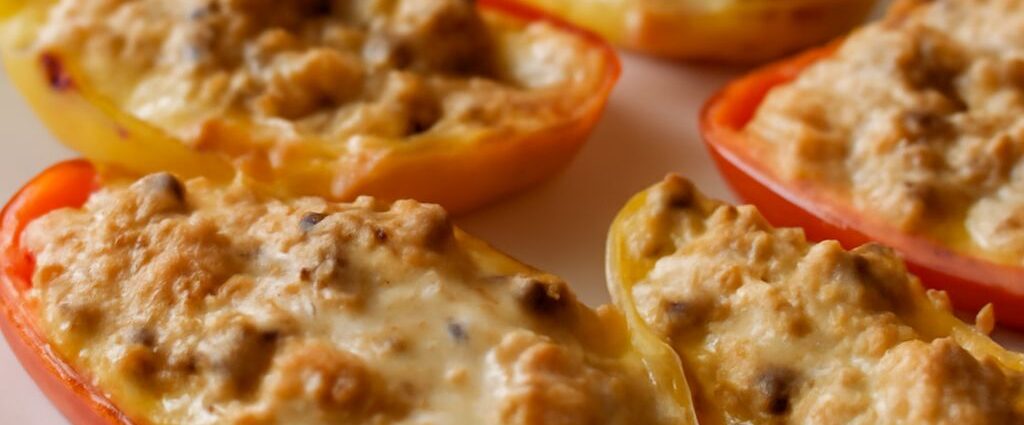
Recipes with banana peppers work best when you match the pepper’s flavor to the dish. Their crisp bite, mild sweetness, and light tang make them useful in quick skillet meals, stuffed bakes, salads, sandwiches, and pickled toppings.
If you want the right result fast, start with the recipe style that fits your heat preference. Sweet banana pepper recipes lean bright and mellow, while hot banana pepper recipes bring more punch without overwhelming other ingredients.
Recipes With Banana Peppers: Main Options
The easiest recipes with banana peppers fall into a few dependable groups. Each one uses the pepper differently, so you can choose by meal type and cooking time.
- Stuffed banana peppers: Fill peppers with sausage, rice, cheese, or breadcrumbs, then bake until tender. This is the best choice for a full dinner.
- Sautéed banana peppers: Cook sliced peppers with onions, garlic, and olive oil for a fast side dish or sandwich topping.
- Banana pepper pizza topping: Add raw slices or quick-sautéed strips to pizza, flatbread, or calzones for brightness and mild heat.
- Pickled banana peppers: Preserve sliced peppers in vinegar brine for tacos, burgers, salads, and antipasto platters.
- Banana pepper pasta: Stir chopped peppers into cream, tomato, or olive oil sauces for a tangy accent.
- Banana pepper relish or salsa: Combine peppers with onion, tomato, vinegar, or herbs for a spoonable topping.
- Roasted banana peppers: Roast whole or halved peppers to soften them and deepen their sweetness.
For quick weeknight use, sautéed peppers and pickled peppers are the most versatile. For a more filling dish, stuffed peppers usually deliver the strongest payoff.
Compare Banana Pepper Recipes by Flavor and Heat
When choosing between sweet banana pepper recipes and hotter versions, focus on three things: heat level, texture, and the dish’s main role. Banana peppers can taste mild and sweet, but some varieties bring a noticeable kick.
Sweet banana pepper recipes
These are the best fit when you want flavor without much heat. Sweet banana peppers work well in dishes that already have bold ingredients, such as sausage, cheese, tomato sauce, or cured meats. Their lighter heat lets them add freshness instead of competing with everything else.
- Best for: pizza, sandwiches, egg bakes, pasta salads, and stuffed pepper casseroles
- Flavor result: bright, mild, slightly tangy, easy to pair
- Good if you want: a pepper that softens nicely and stays family-friendly
Hot banana pepper recipes
Hot banana pepper recipes are better when you want the pepper to stand out. The heat is usually moderate, not extreme, so these recipes still work in balanced meals. They are especially useful in dishes that need sharper flavor, such as chili toppings, spicy sandwiches, or baked meat dishes.
- Best for: nachos, hot subs, chili, roasted vegetable trays, and spicy relishes
- Flavor result: tangy with more bite, stronger after roasting or pickling
- Good if you want: a little heat without moving into very hot chili territory
If you are unsure, use the sweet version in cooked dishes and the hotter version in toppings or condiments. That keeps the flavor balanced and makes the pepper easier to control.
How to Cook Banana Peppers for the Best Results
How to cook banana peppers depends on the texture you want. Short cooking keeps them crisp, while longer cooking makes them softer and sweeter. The best method is the one that matches the recipe.
- Raw: Slice and use in salads, sandwiches, and cold toppings. Raw peppers give the strongest crunch.
- Sautéed: Cook in oil over medium heat for 5 to 8 minutes. This softens the flesh and removes sharpness.
- Roasted: Roast at 425°F for about 15 to 20 minutes. Roasting brings out sweetness and adds slight char.
- Baked: Use in stuffed peppers or casseroles at 375°F to 400°F until the filling is hot and the peppers are tender.
- Pickled: Simmer slices briefly in vinegar brine, then cool. Pickling is the easiest way to save extra peppers.
A few practical rules make a big difference. Remove seeds if you want less heat. Leave some membrane in place if you want more bite. Slice peppers evenly so they cook at the same rate. If a recipe includes cheese, meat, or tomato sauce, slightly softer peppers usually work better than crisp ones.
For stuffed peppers, blanching the pepper shells for 1 to 2 minutes before filling helps them bake evenly. For sautéing, do not crowd the pan, or the peppers will steam instead of browning. For roasting, flip once halfway through so the skins cook evenly.
Choose the Right Recipe for Your Meal
The best recipe choice comes down to what you need banana peppers to do on the plate. Use this simple match-up to narrow the options quickly.
- For a fast side: choose sautéed banana peppers with garlic and onions.
- For a main dish: choose stuffed banana peppers with sausage, rice, turkey, or cheese.
- For sandwiches and burgers: choose pickled or lightly sautéed peppers.
- For pizza night: choose sliced sweet banana peppers or roasted strips.
- For pasta: choose chopped peppers in tomato cream sauce or olive oil sauce.
- For a spicy topping: choose hot banana pepper relish, salsa, or quick-pickled slices.
- For meal prep: choose roasted or pickled peppers, since both keep well and can be reused in several dishes.
Also consider the rest of the meal. If the dish is already rich, use peppers for brightness. If the dish is bland or heavy, use peppers for lift and contrast. If you want a recipe that works for many meals, pickled banana peppers are the most flexible option, while stuffed peppers are the most filling.
When you are choosing among recipes with banana peppers, the easiest path is simple: sweet for balance, hot for impact, sautéed for speed, roasted for depth, and stuffed for a full meal.






Comments are closed, but trackbacks and pingbacks are open.