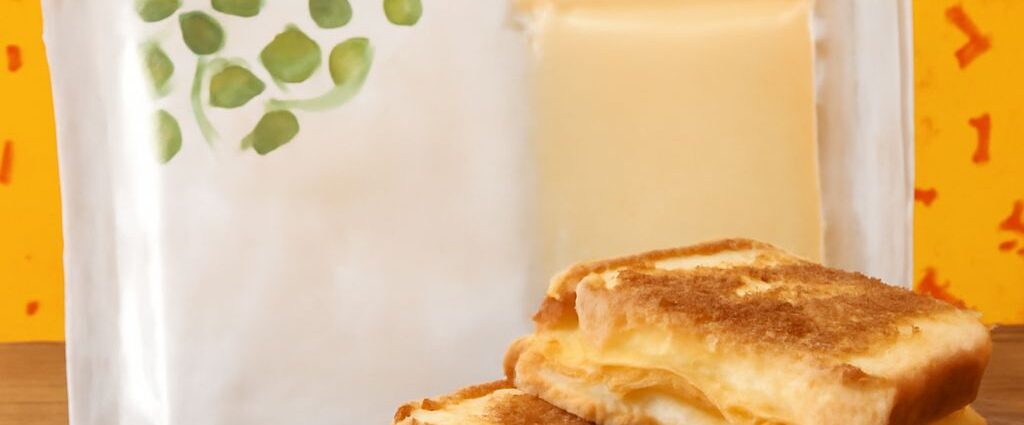
If you want a dairy-free swap that behaves like cheese in everyday meals, the best approach is to choose by format first. Vegan cheese brands vary widely in melting, slicing, spreading, and flavor, so the label matters more than the name on the front.
Some products work best cold on crackers or sandwiches. Others are designed for cooking, where texture and heat tolerance matter more than a strong cheese flavor. Reading the ingredient list and the intended use helps you pick a better match for the dish.
Quick Overview
Vegan cheese products are usually made from nuts, soy, coconut oil, starches, or a blend of plant-based ingredients. The result can be soft, firm, shredded, sliced, or spreadable. Because recipes differ, two products with similar packaging may behave very differently in the kitchen.
For a simple decision, start with the format you need:
- Slices for burgers, sandwiches, and wraps
- Shreds for pizzas, baked pasta, and casseroles
- Blocks for grating, serving on boards, or cutting into cubes
- Spreads for bagels, toast, and quick snack plates
Flavor also matters. Some plant-based cheeses are mild and creamy, while others are tangy, salty, or smoky. If you are replacing a familiar dairy cheese, think about whether you need a soft, melty result or a firmer snack-style texture.
Practical Uses
Vegan cheese brands can be useful in a wide range of meals, but the best results come from matching the product to the job. A spreadable option is usually easiest for breakfast items. A firmer slice may hold up better in a stacked sandwich. A shred made for melting can be better for hot dishes than a block that is meant for serving cold.
For everyday cooking, consider these common uses:
- Sandwiches and wraps: Use slices or spreads that stay stable at room temperature.
- Pizza and baked dishes: Choose shreds labeled for melting, then watch browning carefully.
- Pasta bakes: Look for a product that softens without turning greasy.
- Snack plates: Pick a block or wedge that can be cut neatly and served chilled.
- Soups and sauces: Add small amounts of a mild, melt-friendly product and stir gradually.
Heat behavior is one of the biggest differences between products. Some plant-based cheeses melt into a smooth layer. Others soften only slightly. A few become oily if overheated. For best results, add them near the end of cooking when possible, or test a small amount before building a full dish around it.
Texture can also shift with temperature. A refrigerated slice may feel firm, while the same product may taste softer after a few minutes out of the fridge. That can help with plating, but it also means very cold products may not spread or stretch as expected.
How to Choose
The best vegan cheese brand for you depends on ingredient base, texture, and how you plan to use it. If you want a neutral flavor for cooking, a simple ingredient list may be enough. If you want a stronger cheese-style note, a cultured or seasoned product may fit better.
Here are the main points to compare:
- Base ingredient: Nuts often give a richer taste; soy can be more neutral; coconut oil can create a firmer or more meltable texture.
- Texture goal: Decide whether you need sliceable, spreadable, shred-friendly, or grateable cheese alternatives.
- Flavor profile: Mild products blend into recipes, while sharper styles stand out on boards or sandwiches.
- Cooking purpose: Some options are designed for cold use, while others are made for heat.
- Ingredient list: Check for starches, oils, and flavorings that affect melting and mouthfeel.
If you are comparing multiple products in the store, do not rely on the front label alone. Words like “creamy,” “melty,” or “aged-style” are helpful clues, but the ingredient panel usually tells you more. A product with more starch may melt differently than one based mainly on nuts or tofu.
It also helps to decide whether you want a direct substitute or a new flavor option. Some vegan cheese brands are designed to mimic cheddar, mozzarella, or cream cheese. Others are better treated as their own category, with a taste that works best in dips, spreads, or savory toppings.
Tips for Buying and Storing
When buying vegan cheese, check the package for storage instructions and intended use. Some products belong in the refrigerated section, while others are shelf-stable until opened. Follow the package directions closely, since texture and freshness can change quickly after opening.
A few practical buying tips can make selection easier:
- Buy for the meal: Choose the style that matches your recipe, not just the flavor name.
- Start small: If you are trying a new product, use it in one dish first.
- Watch moisture: Softer styles may be better for spreads, while drier styles may suit grating or slicing.
- Check the label: Confirm whether it is meant for melting, spreading, or serving cold.
Storage should protect both texture and flavor. Keep refrigerated products sealed when not in use, and close packages tightly after opening. If a product dries out, it may become crumbly or lose spreadability. If it is very soft, it may need firmer chilling before slicing or serving.
For kitchen planning, remember that vegan cheese often works best when treated as an ingredient with specific strengths, not as a perfect one-for-one replacement. A melty shred may be ideal on pizza, but a sliceable block may be better for a board or sandwich. Matching form to function gives more consistent results.
Related Dairy-Free Ideas
If you are building meals around dairy-free swaps, it helps to think beyond cheese alone. Many dishes benefit from other plant-based ingredients that add creaminess, saltiness, or body. That can include cashew-based spreads, tofu crumbles, unsweetened plant yogurt in sauces, or nutritional yeast for a savory note.
These options are not identical to cheese, but they can support the same kind of meal. For example, a baked pasta may use shredded vegan cheese on top and a blended plant-based sauce underneath. A sandwich may combine sliced cheese alternative with avocado, tomato, and mustard for more flavor and moisture.
When trying new products, keep the use case simple. Test one brand in one recipe, then adjust based on texture, melt, and flavor. That makes it easier to find the plant-based cheese style that works best in your routine without overcomplicating the meal.










Comments are closed, but trackbacks and pingbacks are open.