
Vegan sushi recipes are easiest when you keep the method simple: season sushi rice, choose a few fresh fillings, roll tightly, and slice cleanly. The result can be made with everyday ingredients and works well for lunch, dinner, or a light shared meal.
For the best texture, focus on the rice first. Good vegan sushi depends more on properly cooked and seasoned rice than on complicated fillings. Once that base is ready, the rest is mostly assembly.
Quick Answer
To make vegan sushi at home, cook short-grain rice, season it with rice vinegar, sugar, and salt, then spread it on nori with vegetables or other plant-based fillings. Roll tightly with a bamboo mat or clean towel, seal the edge, and slice with a damp knife.
Common filling ideas include avocado, cucumber, carrot, bell pepper, asparagus, marinated tofu, pickled radish, and mango. You can also make inside-out rolls, hand rolls, or simple sushi bowls if rolling feels difficult.
Step-By-Step Method
Cook the rice
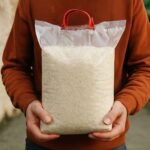
Rinse short-grain sushi rice until the water runs mostly clear. This removes excess starch and helps the grains cook evenly. Cook according to package directions, then let it rest covered for a few minutes.
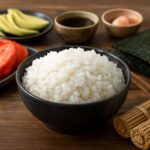
While the rice is still warm, fold in a simple seasoning made from rice vinegar, a little sugar, and salt. Taste lightly. The rice should be bright, balanced, and slightly sticky, not wet or mushy.
Prep the fillings
Choose fillings that are crisp, smooth, or lightly seasoned. Slice vegetables into thin sticks so the roll stays compact. If using tofu, press it first and cut it into narrow strips. Marinating or pan-searing tofu adds flavor, but keep the pieces dry enough to roll well.
- Crunchy options: cucumber, carrot, bell pepper, asparagus
- Creamy options: avocado
- Flavorful options: tofu, pickled ginger, pickled radish, seasoned mushrooms
- Fresh-sweet options: mango, thin apple slices, sprouts
Keep the fillings modest. A small number of ingredients usually makes better rolls than a crowded mix.
Assemble and roll
Place a nori sheet shiny side down on a bamboo mat or clean work surface. Wet your hands lightly, then spread a thin, even layer of rice over the nori. Leave about 1 inch of bare nori at the top edge so the roll can seal.
Arrange fillings in a line across the lower third of the rice. Lift the edge closest to you and roll it over the fillings, tucking firmly as you go. Apply gentle pressure to shape the roll without crushing it. Seal the bare nori edge with a little water.
If you are making an inside-out roll, place rice on the nori, then turn it over carefully before adding fillings. Sprinkle sesame seeds on the outside if desired.
Slice and serve
Use a sharp knife and wet the blade before each cut. Slice the roll in half first, then cut each half into even pieces. Wiping the knife between cuts helps keep the edges neat.
Serve with soy sauce or tamari, wasabi if you like it, and pickled ginger. For a fuller meal, add miso soup, edamame, or a simple cucumber salad.
Tips and Mistakes to Avoid
Don’t overfill the roll
Too many fillings are the most common reason sushi falls apart. If the roll cannot close easily, remove some ingredients and try again. A tighter, slimmer roll is usually easier to slice and serve.
Use properly seasoned rice
Plain rice makes vegan sushi taste flat. On the other hand, rice that is too wet becomes hard to shape. Aim for rice that holds together when pressed but still separates gently in the mouth.
If the rice feels dry, it may have cooled too much before seasoning or assembly. Work with it while it is warm, but not steaming hot.
Keep your knife wet
A dry knife can tear the nori and compress the roll. Dampen the blade before each cut, and clean off sticky rice as needed. A sharp knife also makes cleaner slices and reduces pressure on the roll.
Storage and Serving Notes
Vegan sushi is best eaten soon after assembling. Rice and nori both lose texture as they sit, so plan to serve it the same day. If you need to prep ahead, keep the rice, fillings, and nori separate until just before rolling.
Store leftover rolls in an airtight container in the refrigerator for a short time, but expect the nori to soften. For better texture the next day, store extra rice and fillings separately and make fresh rolls when you are ready to eat.
If packing sushi for lunch, include a small cold pack and keep wet fillings, like cucumber or avocado, from sitting on the rice too long. A few well-chosen ingredients will hold up better than a very full roll.
For the easiest results, start with cucumber, avocado, and carrot, then add tofu or other fillings once you are comfortable with the rolling process. Simple vegan sushi recipes are flexible, fast, and easy to adapt to what you have on hand.










Comments are closed, but trackbacks and pingbacks are open.