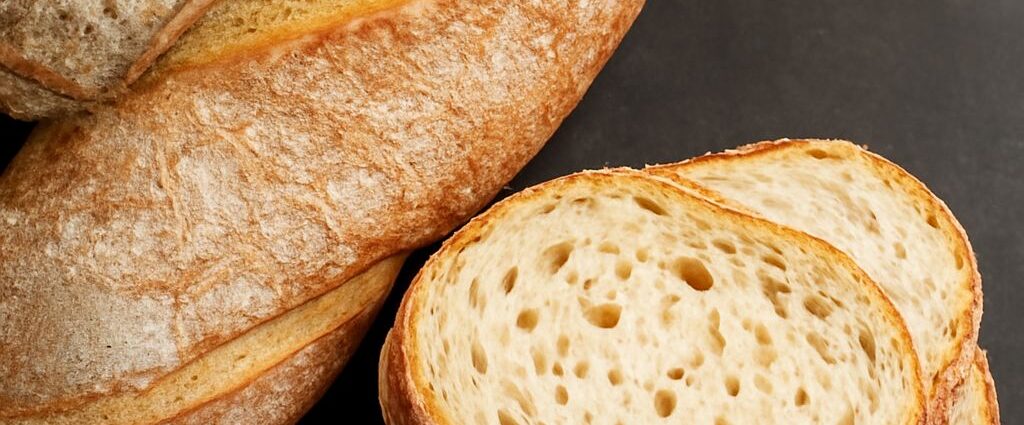
If you’ve ever wondered how to make French bread at home, you’re in the right place. This simple yet delicious French bread recipe will guide you through creating a classic French bread loaf that is crusty on the outside and soft on the inside. With just a few ingredients and some patience, you’ll have a homemade bread that rivals any bakery.
Ingredients Needed
To start your French bread baking journey, gather the following ingredients:
- 2 1/4 teaspoons active dry yeast (1 packet)
- 2 1/2 cups warm water (110°F/45°C)
- 6 cups all-purpose flour
- 2 teaspoons salt
- 1 tablespoon sugar
- 2 tablespoons olive oil
Step-by-Step Instructions
- Activate the yeast: In a large mixing bowl, dissolve the sugar in warm water, then sprinkle the yeast on top. Let it sit for about 5 minutes until it becomes frothy.
- Make the dough: Add the olive oil, flour, and salt to the yeast mixture. Stir until a dough begins to form.
- Knead the dough: Transfer the dough to a floured surface and knead for about 8-10 minutes until it is smooth and elastic.
- First rise: Place the dough in a lightly oiled bowl, cover it with a damp cloth, and let it rise in a warm place for about 1 hour or until it doubles in size.
- Shape the loaves: Punch down the dough and divide it into two equal parts. Shape each part into a loaf by flattening it into a rectangle and rolling it tightly.
- Second rise: Place the loaves on a prepared baking sheet, cover them, and let them rise for another 30 minutes.
- Bake the bread: Preheat your oven to 400°F (200°C). Make shallow slashes on top of the loaves with a sharp knife. Bake for 20-25 minutes or until the loaves are golden brown and sound hollow when tapped.
- Cool the loaves: Remove the bread from the oven and let it cool on a wire rack before slicing.
Tips for Perfect French Bread
- Use fresh yeast: Ensure your yeast is fresh and active. Expired yeast can affect the bread’s rise.
- Temperature matters: The water should be warm, not hot, to properly activate the yeast.
- Proper kneading: Knead the dough until it is smooth and elastic; this develops the gluten needed for structure.
- Slash the loaves: Making slashes on the loaves helps control the expansion during baking, giving the bread a professional look.
- Steam in the oven: Adding a shallow pan of water to the oven can create steam, leading to a crispier crust.
Common Mistakes to Avoid
- Skipping the rise times: Allow the dough to rise sufficiently. Rushing this process can lead to dense bread.
- Incorrect measurements: Measure ingredients precisely for the best results.
- Baking at the wrong temperature: Ensure your oven is properly preheated, as under or over-baking can affect texture.
- Not cooling properly: Let the bread cool completely to set the structure before cutting.
Serving Suggestions
French bread is incredibly versatile. Here are a few ideas on how to serve it:
- As a side: Pair it with soups, stews, or salads for a hearty meal.
- For sandwiches: Use it as a base for sandwiches, especially those with strong flavors like Italian subs.
- With spreads: Serve with butter, olive oil, or garlic spread for a simple appetizer.
- As a breakfast option: Toast it with butter and jam for a delightful start to your day.
With these detailed instructions and tips, you now know how to make French bread at home that is both authentic and delicious. Enjoy your baking!








Comments are closed, but trackbacks and pingbacks are open.